Restoring immune balance. Rebuilding health. Transforming lives.
The MRC Centre of Research Excellence in Restorative Immunology is pioneering a new approach to inflammatory disease: moving beyond controlling inflammation towards restoring healthy immune function and tissue health.
Why restorative immunology?
Immune-mediated inflammatory diseases can cause lasting damage to tissues and organs. Treatments have transformed care, but for many people disease returns when treatment stops.
We want to understand how immune balance and tissue health can be restored, creating the possibility of sustained, drug-free remission.
Beyond suppression
Current treatments can control inflammation and reduce disease activity.
Restore healthy function
Understand how to restore immune balance and tissue health.
Sustain remission
Work towards sustained, drug-free remission.
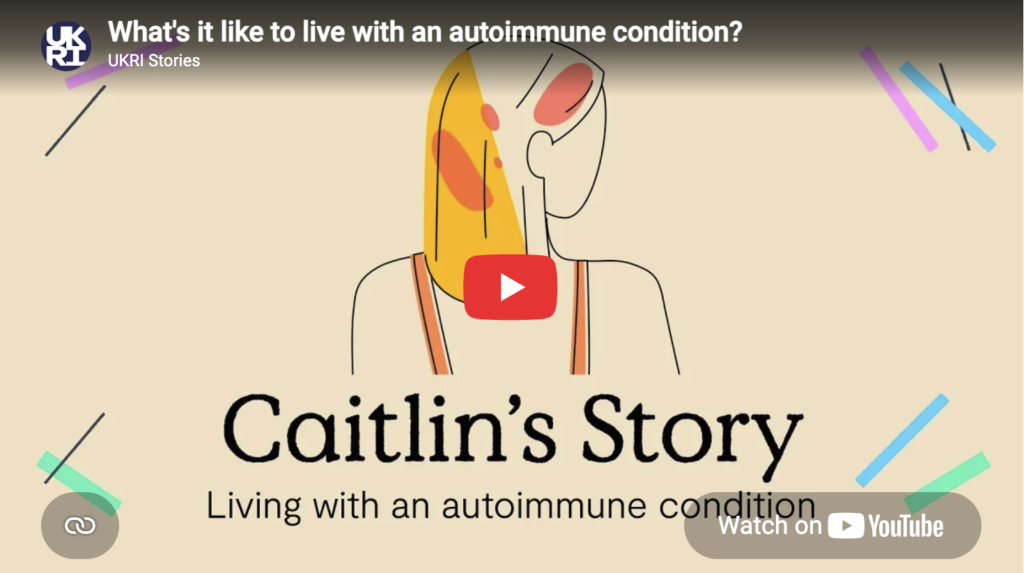
Watch: Why restorative immunology matters
Caitlin, who has lived with juvenile idiopathic arthritis since childhood, explains the impact of immune-mediated inflammatory disease and why new approaches are needed.
Read Caitlin’s storyOur research
Our research is organised across three connected Research Streams, bringing together data, laboratory science and experimental medicine to understand how inflammatory disease can be resolved.
The streams work together as a translational cycle, connecting discoveries from patients and tissues with mechanisms of restoration and experimental medicine.
Data exploration
Build integrated multi-omic datasets to understand disease across tissues, patients and time.
Mechanisms of tissue restoration
Identify the cellular and molecular mechanisms that drive tissue damage, repair and restoration.
Experimental medicine
Develop and test tissue-based approaches to assess immune restoration and support experimental medicine studies.
Working across inflammatory diseases
Different inflammatory diseases affect different organs, but they can share biological processes that determine whether inflammation persists or resolves. By studying diseases and tissues together, we can identify mechanisms of restoration that are shared across conditions, as well as those that are specific to individual tissues.
Inflammatory arthritis
Joints and synovial tissue
Inflammatory bowel disease
Gut
Autoimmune liver disease
Liver
Sjögren’s disease
Salivary glands
How we work
Restorative immunology depends on more than scientific discovery alone. We are building a collaborative research environment that brings together patients and the public, researchers at different career stages, academic and clinical partners, and organisations beyond academia.
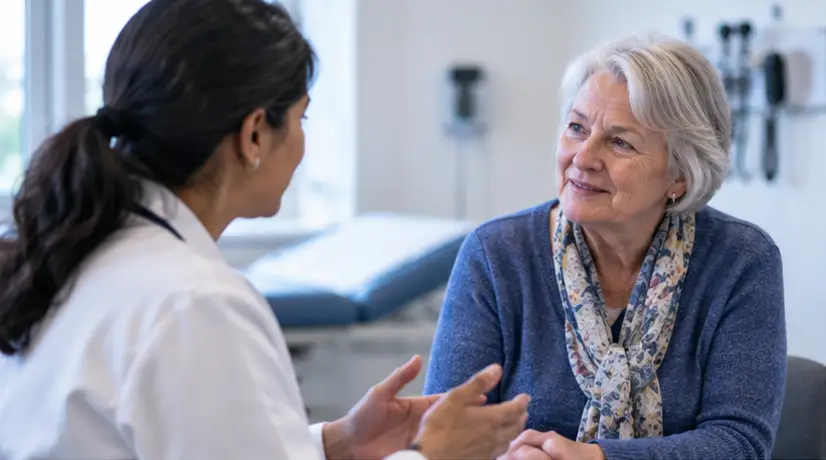
Working with patients and the public
People affected by inflammatory disease will help shape the Centre’s research, from developing studies and reviewing communications to contributing to appropriate boards and working groups
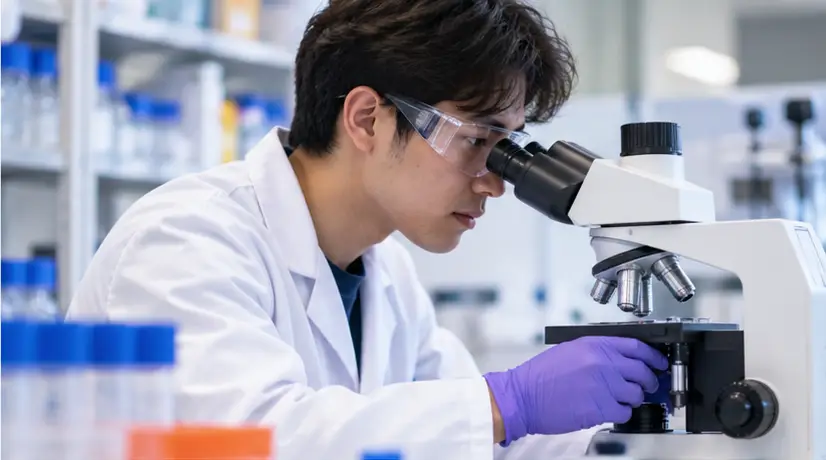
Developing the next generation
We will invest in doctoral students, early- and mid-career researchers through interdisciplinary training, mentoring and opportunities to develop new skills, collaborations and leadership experience
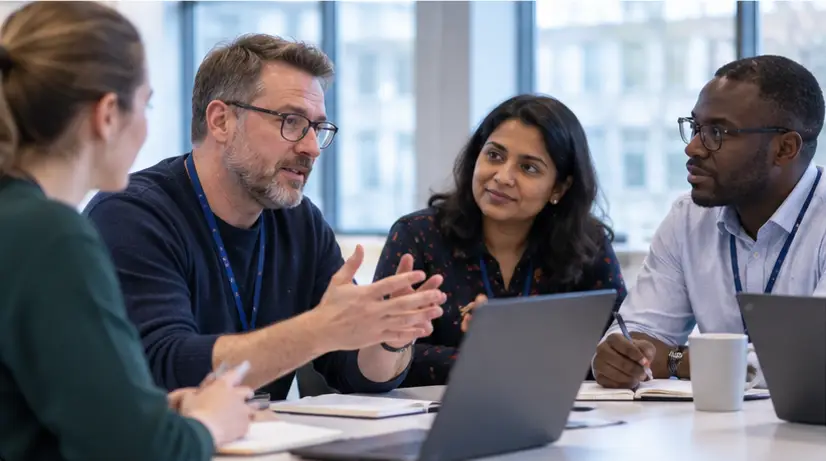
Working with partners
We will work with industry, charities, healthcare organisations and other partners to bring together therapeutic assets, technology, data and specialist expertise and help translate discoveries towards patient benefit
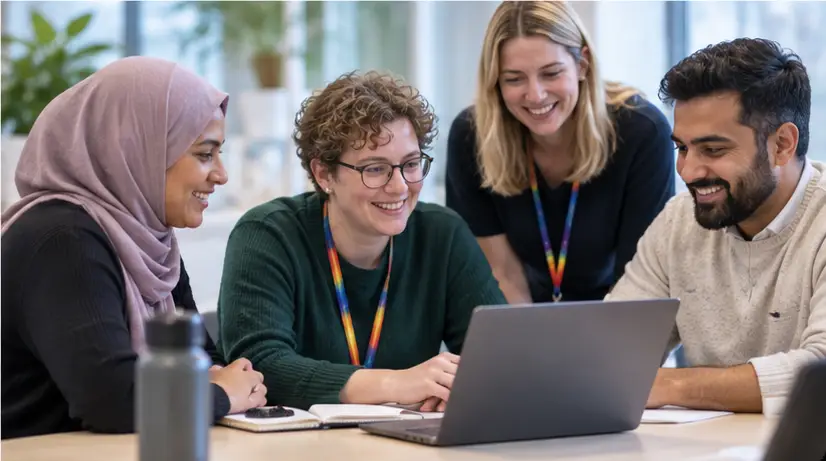
Building an inclusive research culture
We are building a Centre-wide research culture that supports collaboration across disciplines and institutions, values different career stages and professional backgrounds, and creates opportunities for people to contribute, develop and lead
One Centre, working across institutions
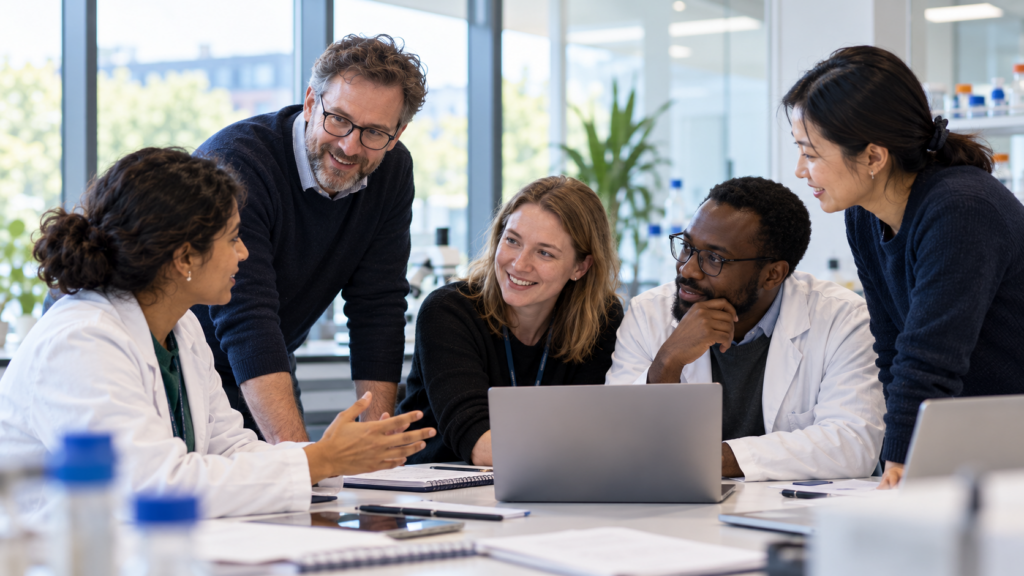
The Centre brings together clinical teams and scientists across multiple disciplines and institutions, alongside industry, charities, healthcare providers and patient groups. Together, we provide expertise spanning data science, tissue immunology, experimental medicine and the development of new therapies.
Working across institutional and disciplinary boundaries allows us to connect discovery science with clinical research and accelerate promising findings towards patient benefit.




People and leadership
The Centre is led by an interdisciplinary team of researchers, clinicians and research professionals working across our partner institutions. Our leadership structure connects scientific direction with the operational, training, research culture, data governance and partnership activity needed to deliver the Centre’s ambitions.
Meet our people and partners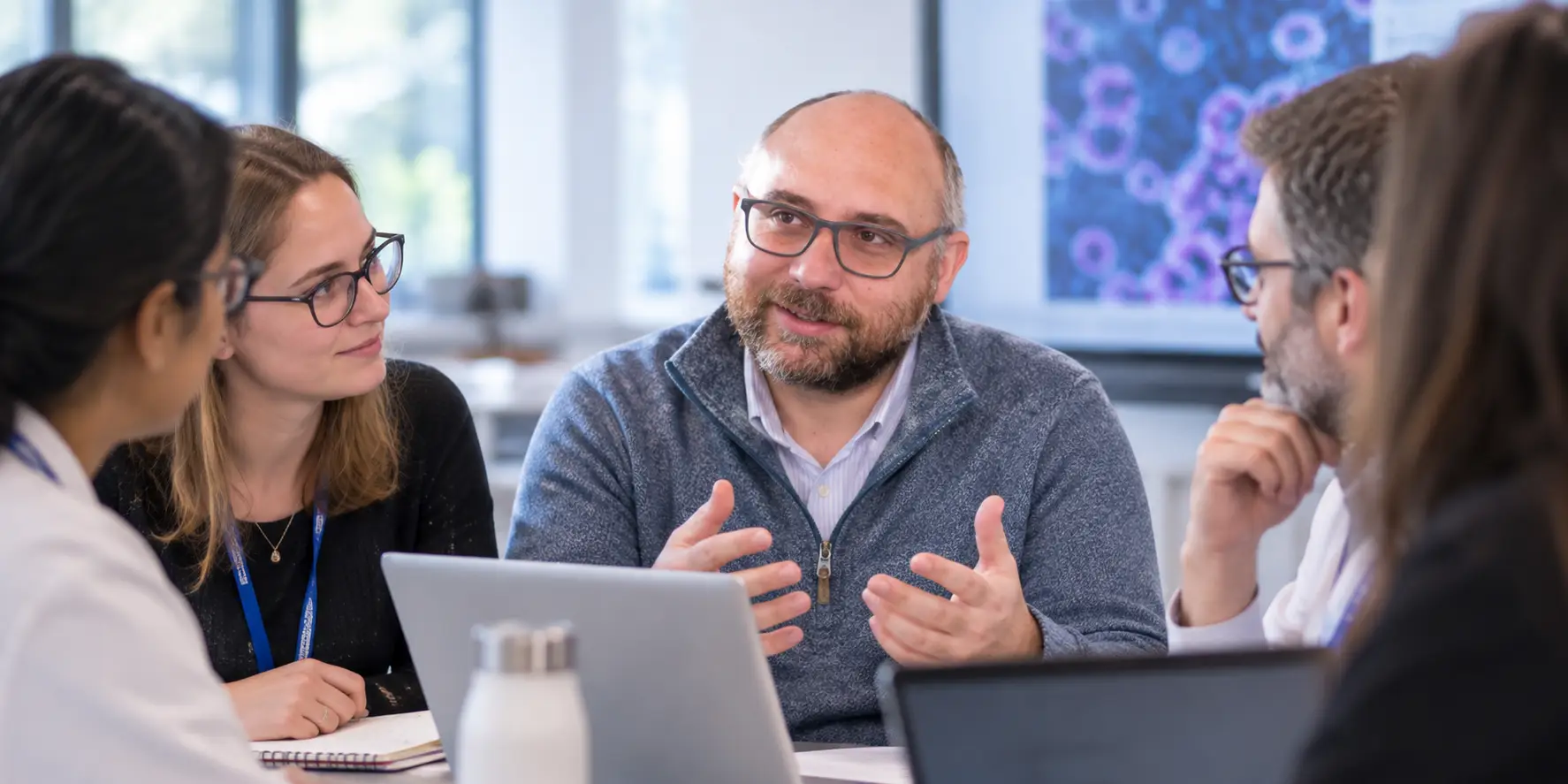
Latest from the Centre
News, events, opportunities and updates from across the Centre.
Stay connected
Follow the Centre for research updates, opportunities, events and news from across our community.