
Our research brings together data science, tissue immunology and experimental medicine to understand how inflammation resolves, how healthy tissue function can be restored, and how these discoveries can be translated into new approaches for people living with immune-mediated inflammatory disease.
Our research is organised across three connected Research Streams: Data Exploration, Mechanisms of Tissue Restoration and Experimental Medicine. Together, they allow us to move between observations in patients, detailed analysis of cells and tissues, investigation of the mechanisms that drive disease and restoration, and studies that test promising approaches in people.
The Research Streams are designed to work as a continuous translational cycle. Data and observations from patients generate new questions for laboratory and computational research. Discoveries about the mechanisms of tissue restoration can then inform experimental medicine studies, with findings in patients feeding back into the next stage of discovery.
By connecting these activities across diseases, tissues and institutions, we aim to identify the biological processes that distinguish persistent inflammation from successful restoration of healthy immune and tissue function.
Data Exploration will build an integrated picture of immune-mediated inflammatory disease across tissues, diseases, patients and time. By bringing together detailed clinical information with molecular and cellular data, we will investigate the features associated with persistent inflammation, successful treatment and restoration of healthy tissue function.
The Research Stream will develop a cross-tissue atlas that allows us to compare inflammatory disease across synovium, salivary gland, gut and liver, alongside blood and other relevant tissues. Computational and data science approaches will be used to identify patterns that are shared across diseases as well as those that are specific to particular tissues or patient groups.
These insights will help generate hypotheses about the mechanisms that drive tissue damage and restoration, providing a foundation for the experimental work undertaken across the Centre.
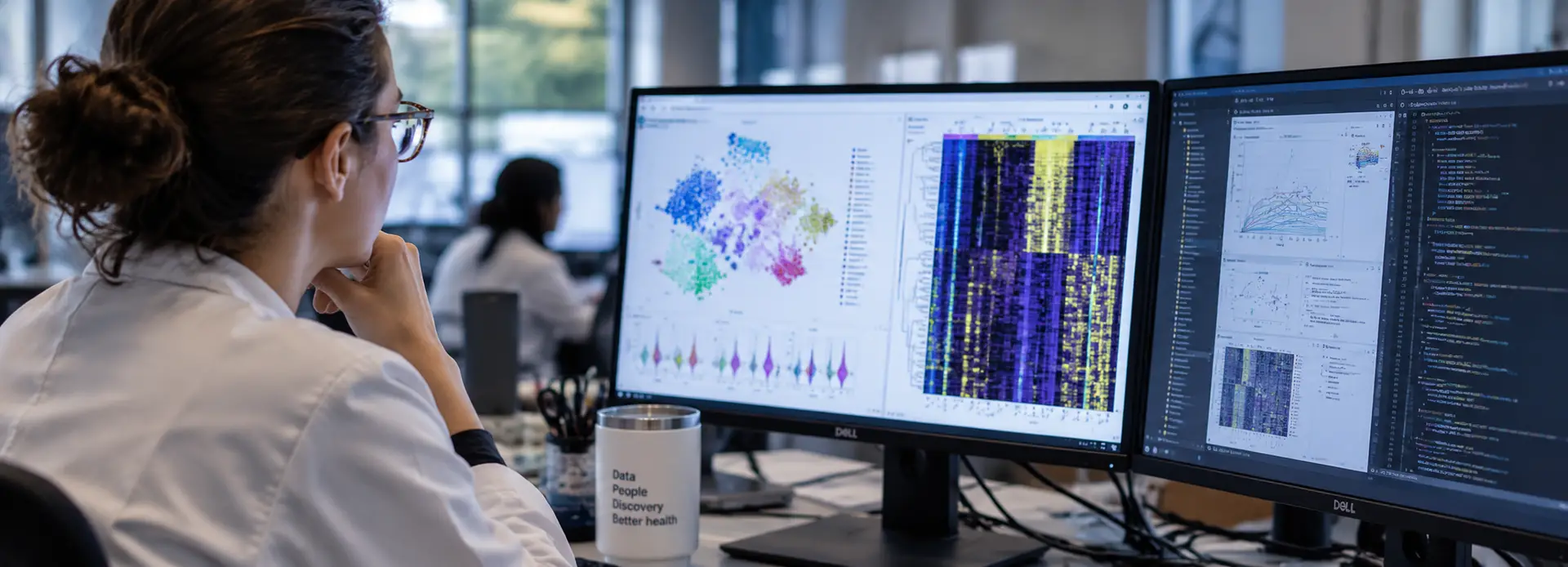
Bring together clinical, molecular and cellular data across diseases, tissues, patients and time.
Build a cross-tissue view of inflammatory disease to identify shared and tissue-specific patterns.
Use computational and data science approaches to identify mechanisms that may drive tissue damage and restoration.
This Research Stream investigates the cellular and molecular mechanisms that determine whether inflamed tissues remain damaged or move towards repair and restoration. We want to understand what distinguishes persistent disease from successful resolution and how these processes can be manipulated therapeutically.
Researchers will use experimental models alongside human tissue and data to investigate the interactions between immune cells, stromal cells and the tissue environment. By comparing mechanisms across different inflammatory diseases and organs, we can identify pathways that are shared across tissues as well as those that are specific to particular disease settings.
The aim is to identify and validate mechanisms that could be targeted to promote restoration of healthy tissue function, providing promising candidates for further investigation through the Centre’s experimental medicine programme.
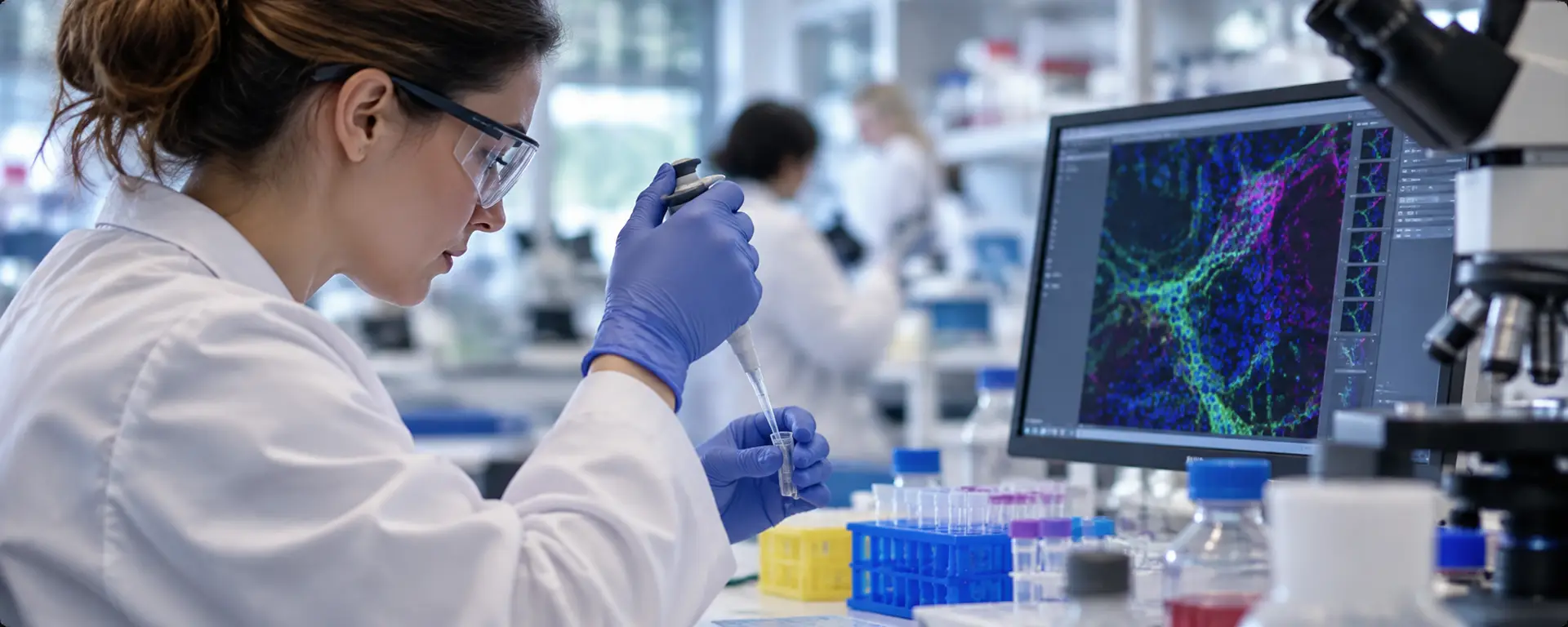
Investigate the cellular and molecular mechanisms that determine whether inflamed tissues remain damaged or move towards repair and restoration.
Study interactions between immune cells, stromal cells and the tissue environment to identify shared and tissue-specific pathways.
Identify and validate mechanisms that could be targeted to promote restoration of healthy tissue function.
Experimental Medicine will translate discoveries from across the Centre into studies in patients. The Research Stream will develop and apply tissue-based approaches that allow us to investigate whether promising interventions are changing the immune and tissue processes associated with disease and restoration.
By studying patient tissues before, during and after treatment, we can examine biological responses directly at the site of disease and identify early evidence that an intervention is promoting restoration rather than simply suppressing inflammation.
Findings from these studies will feed back into the Centre’s Data Exploration and Mechanisms of Tissue Restoration Research Streams, helping refine our understanding of restorative biology and informing the development of future experimental medicine studies.
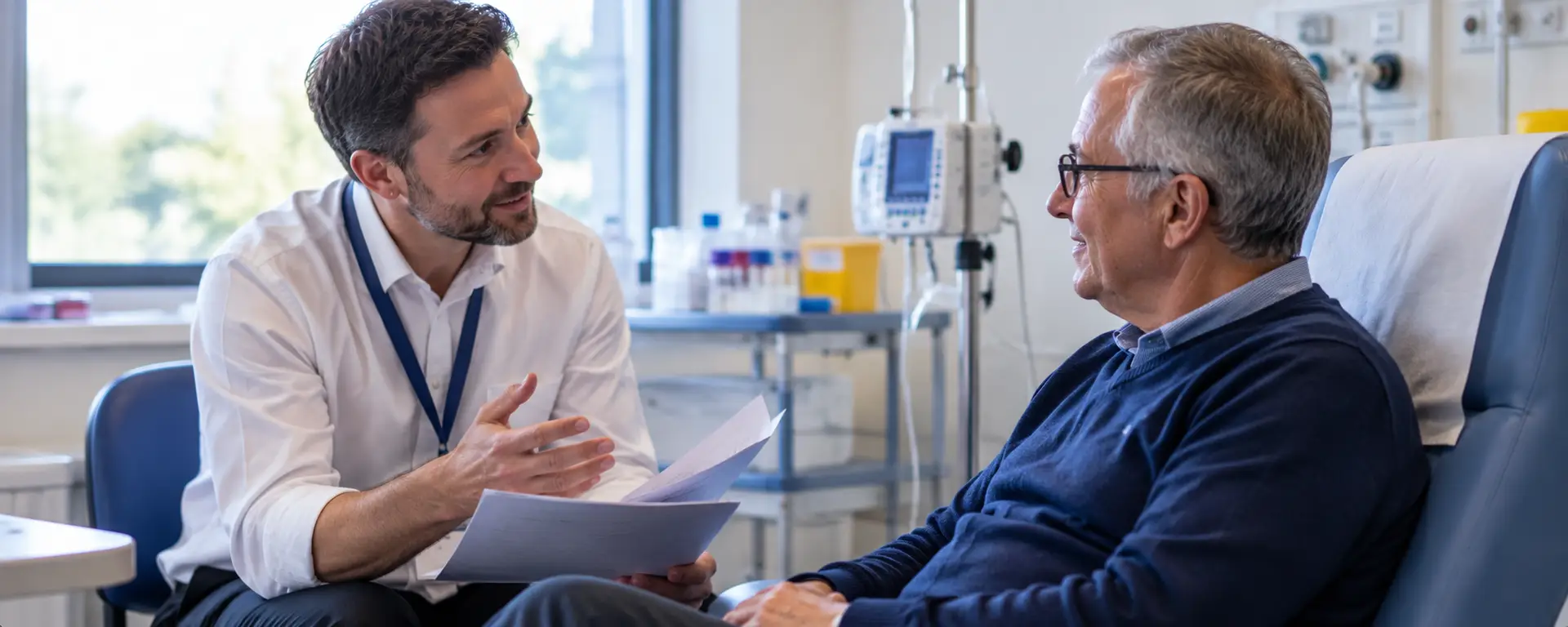
Develop promising findings from across the Centre into experimental medicine studies in patients.
Analyse patient tissues before, during and after treatment to understand biological responses directly at the site of disease.
Feed findings back into the Centre’s research programme to refine our understanding of restorative biology and guide future experimental medicine studies.
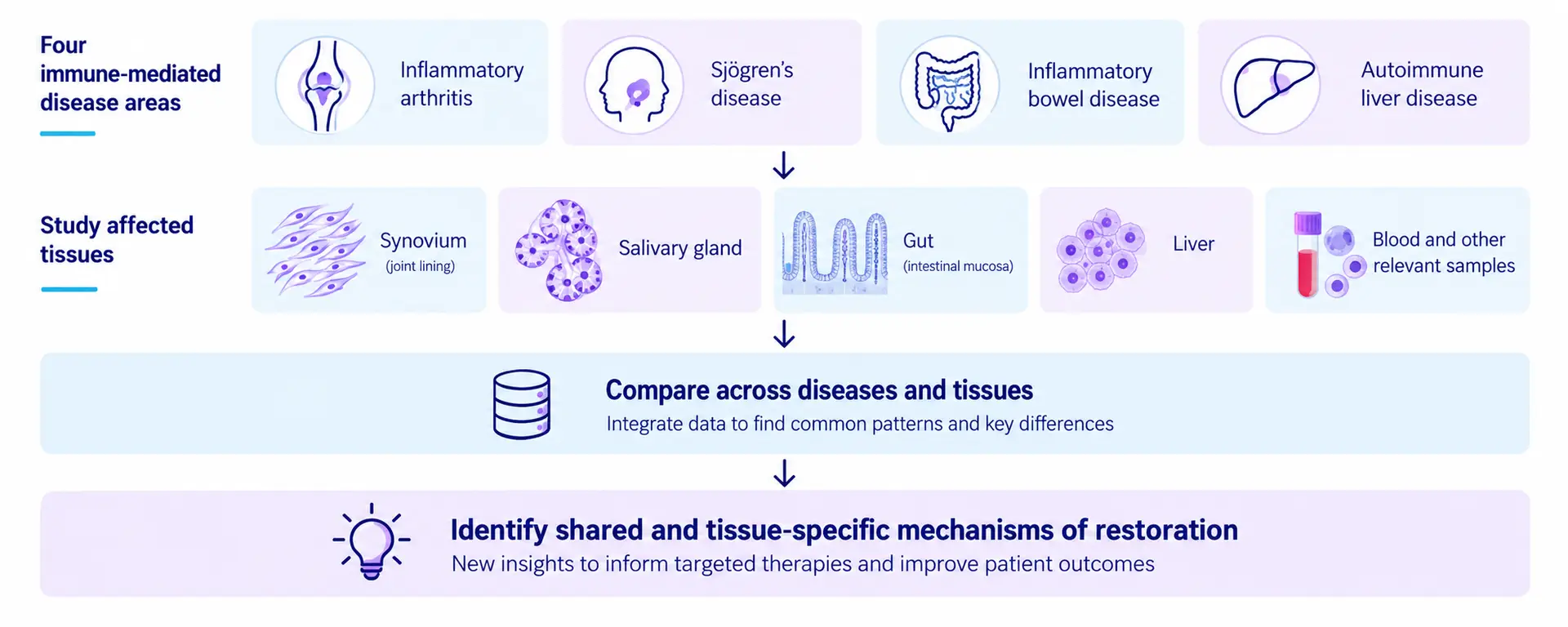
Our research spans four immune-mediated inflammatory disease areas: inflammatory arthritis, inflammatory bowel disease, autoimmune liver disease and Sjögren’s disease. These conditions affect different organs, but studying them together gives us an opportunity to identify biological processes that determine whether inflammation persists or resolves across different tissue environments.
We study disease directly within affected tissues, including synovium, gut, liver and salivary glands, alongside blood and other relevant samples. This tissue-based approach allows us to investigate the immune and structural cells that make up the local disease environment and how they change during treatment, remission and restoration.
Comparing information across diseases and tissues will help us distinguish mechanisms that are broadly relevant to restorative immunology from those that are specific to individual organs or conditions.
The Centre is designed to connect fundamental discovery with clinical research. Promising findings emerging from our data and mechanistic studies can be developed through experimental medicine, allowing us to investigate biological effects directly in patients and affected tissues.
We will work with clinical researchers and external partners, including industry, charities and healthcare organisations, to bring together the therapeutic assets, technologies, data and specialist expertise needed to develop promising approaches.
Patient and public involvement and engagement will also be embedded across the research programme, helping ensure that our priorities, studies and approaches remain informed by the experiences and needs of people living with immune-mediated inflammatory disease.
Discovery
Identify patterns and signals across diseases and tissues
Mechanisms
Understand the biology that drives persistence, repair and restoration
Experimental medicine
Test promising approaches directly in patients and affected tissues
Patient benefit
Develop better ways to promote sustained restoration of health
Explore publications, funding, resources and other outputs arising from research across the Centre, together with opportunities to engage with and contribute to our research.
Explore outputs and impact →